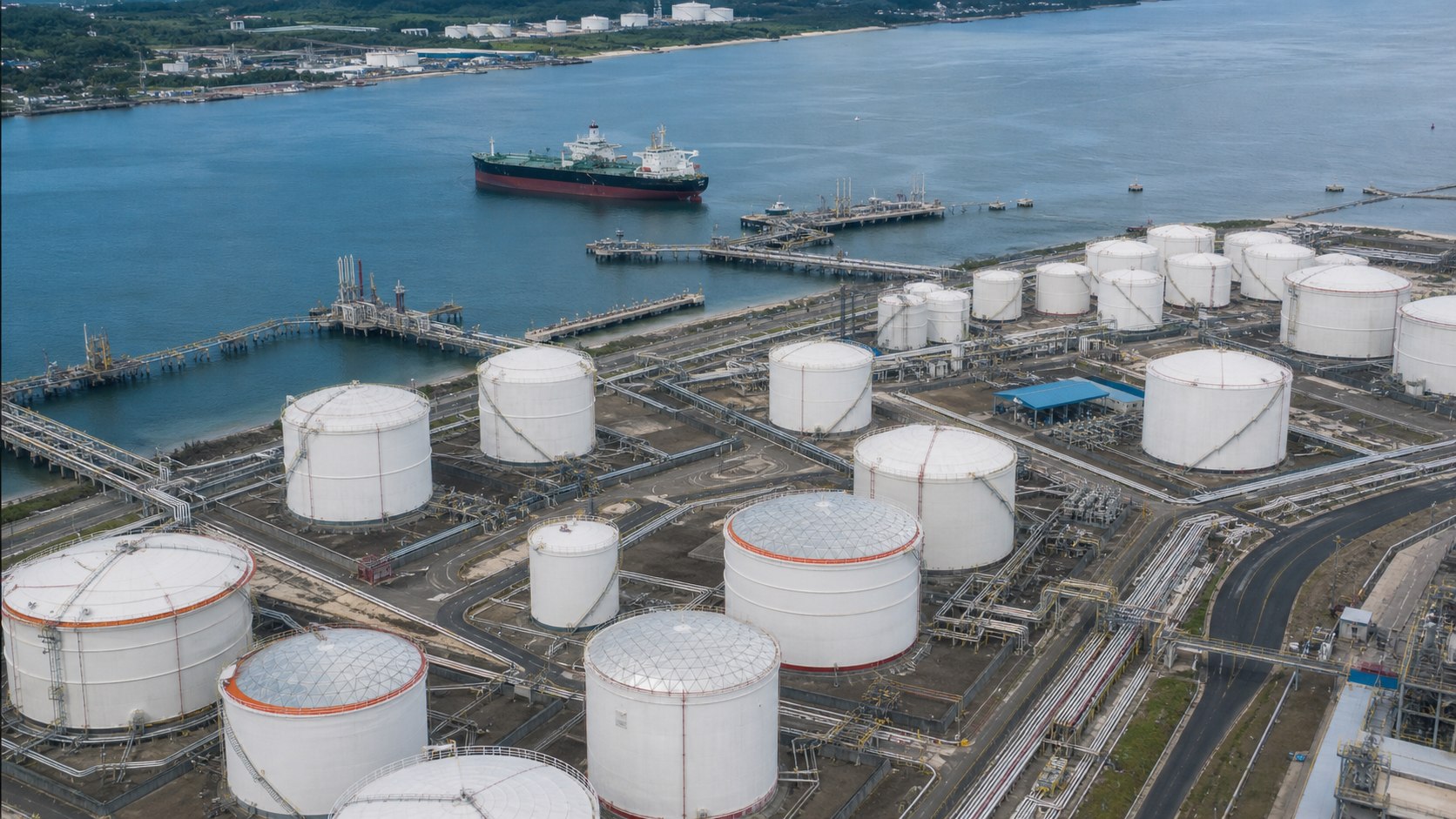
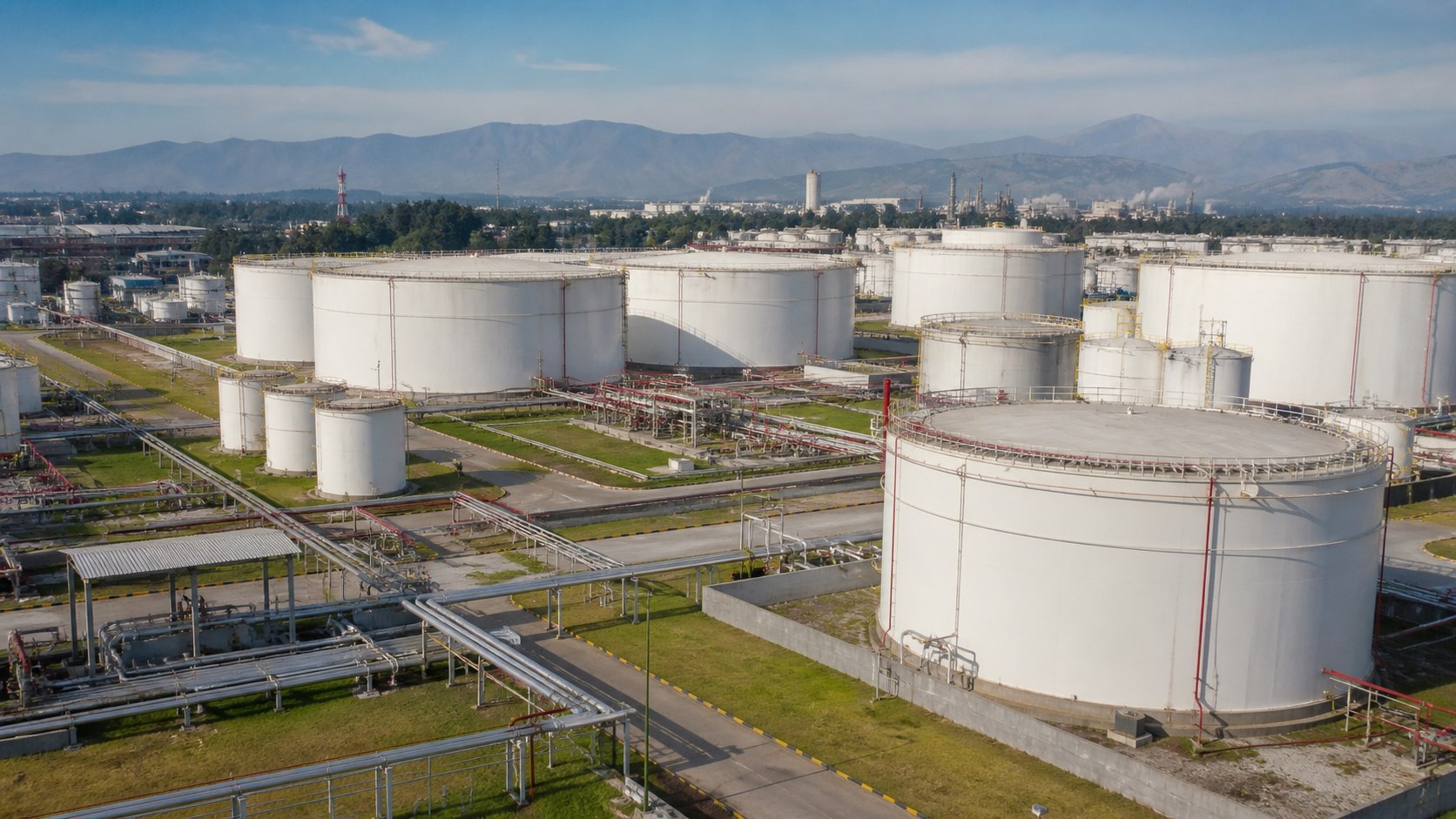
From outside a petroleum terminal, storage tanks can look almost interchangeable.
Large cylinders arranged across a tank farm.
Operationally, they are not.
A terminal handling multiple petroleum products must account for differences in product characteristics, storage requirements, customer requirements and the history of the equipment through which each product moves.
That makes segregation a central part of terminal planning.
A tank has an operating history
The suitability of a tank is influenced not only by its physical size but also by what it contains and what it contained before.
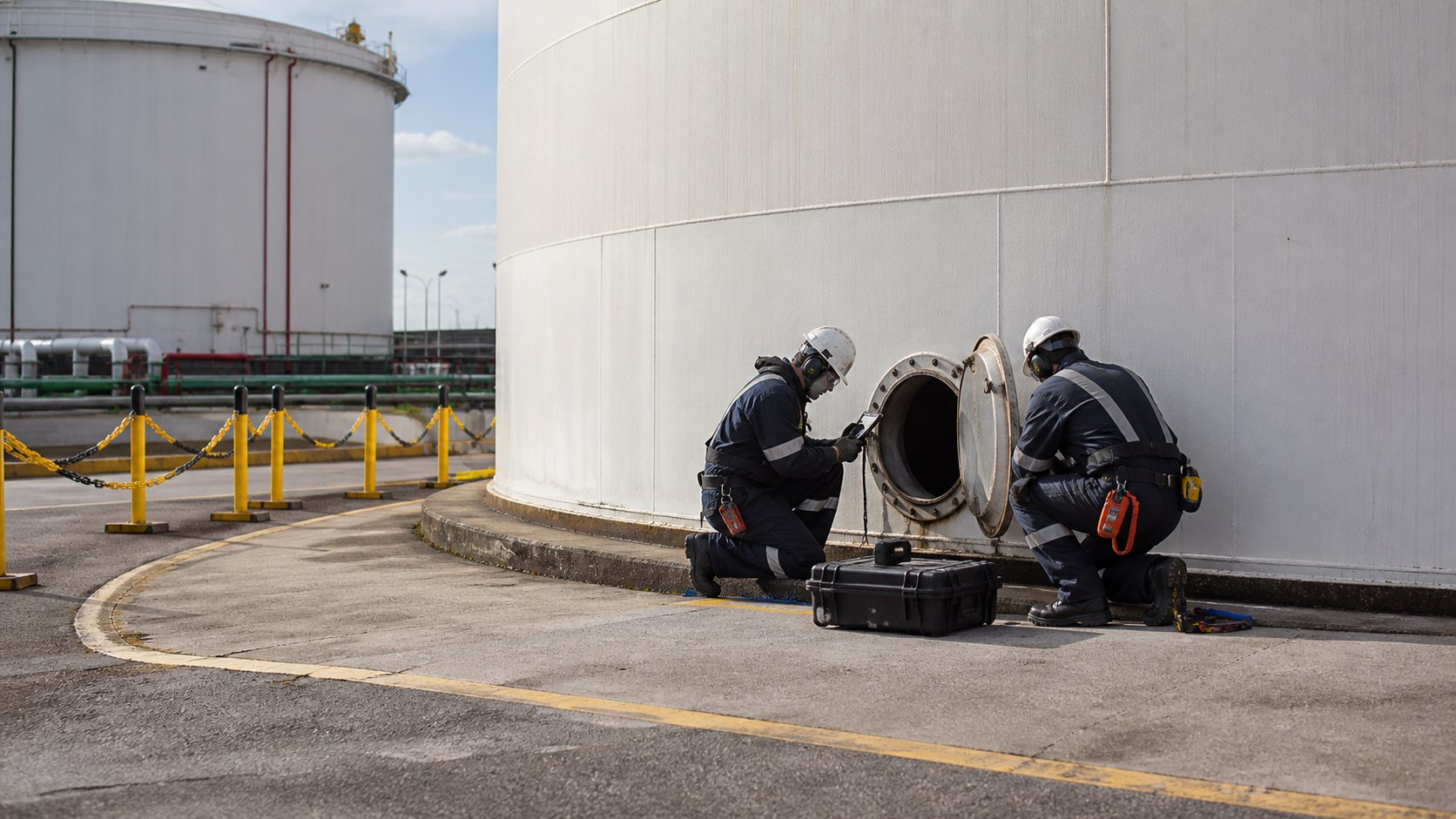
Changing service from one product to another may require additional preparation.
The extent of that work depends on the compatibility of the products and the quality requirements that apply.
This is why a tank cannot always be treated as immediately interchangeable capacity.
Nominal storage space and operationally available storage space are not necessarily the same thing.
Pipelines create another layer of segregation
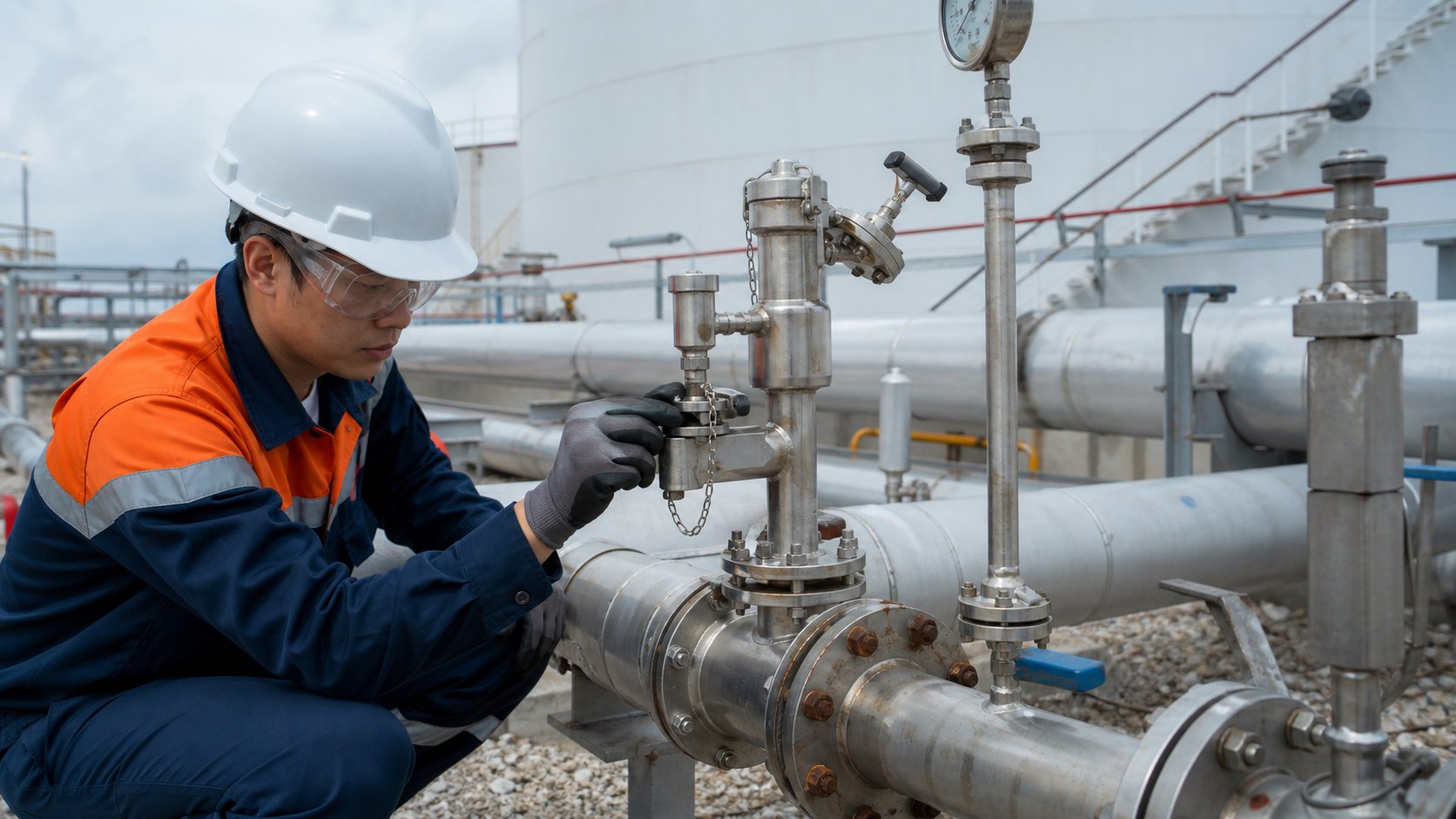
Even when two products are stored in separate tanks, they may move through shared terminal infrastructure.
The transfer line itself becomes part of the product-control problem.
Operators need to understand:
- previous line contents;
- transfer sequence;
- interface material;
- drainage or displacement requirements;
- valve position;
- destination.
Product segregation therefore extends beyond the tank boundary.
Refined products can be particularly sensitive
Different refined petroleum products are manufactured to different specifications.
Cross-contamination that has little operational consequence for one product may be unacceptable for another.
This is especially important where the receiving customer expects the product to remain within a narrow specification.
Terminals therefore need procedures that reflect the actual products being handled rather than assuming one transfer method fits every cargo.
Tank allocation is an operational decision
Commercial demand can change quickly.
A terminal may receive enquiries for different products while existing inventory is still in storage.
Allocating tanks requires an understanding of:
- current inventory;
- expected receipts;
- planned deliveries;
- previous product;
- required segregation;
- maintenance status;
- transfer connectivity.
The largest empty tank is not automatically the correct tank.
Flexibility comes from planning
A multi-product terminal can create considerable logistical flexibility.
But that flexibility depends on how well the facility is organised.
Good planning allows the operator to use available infrastructure while reducing unnecessary product changes, cleaning requirements and transfer conflicts.
Poor planning creates the opposite:
more interfaces, more operational complexity and more opportunities for error.
What looks simple from the fence line is highly coordinated
The visual simplicity of a tank farm can hide the amount of information behind each tank.
Product.
Quantity.
Owner or customer.
Specification.
Tank condition.
Transfer route.
Next movement.
Maintenance status.
Operating restrictions.
Managing multiple petroleum products is therefore not simply a question of providing enough steel capacity.
It is the discipline of assigning the right infrastructure to the right product at the right time.