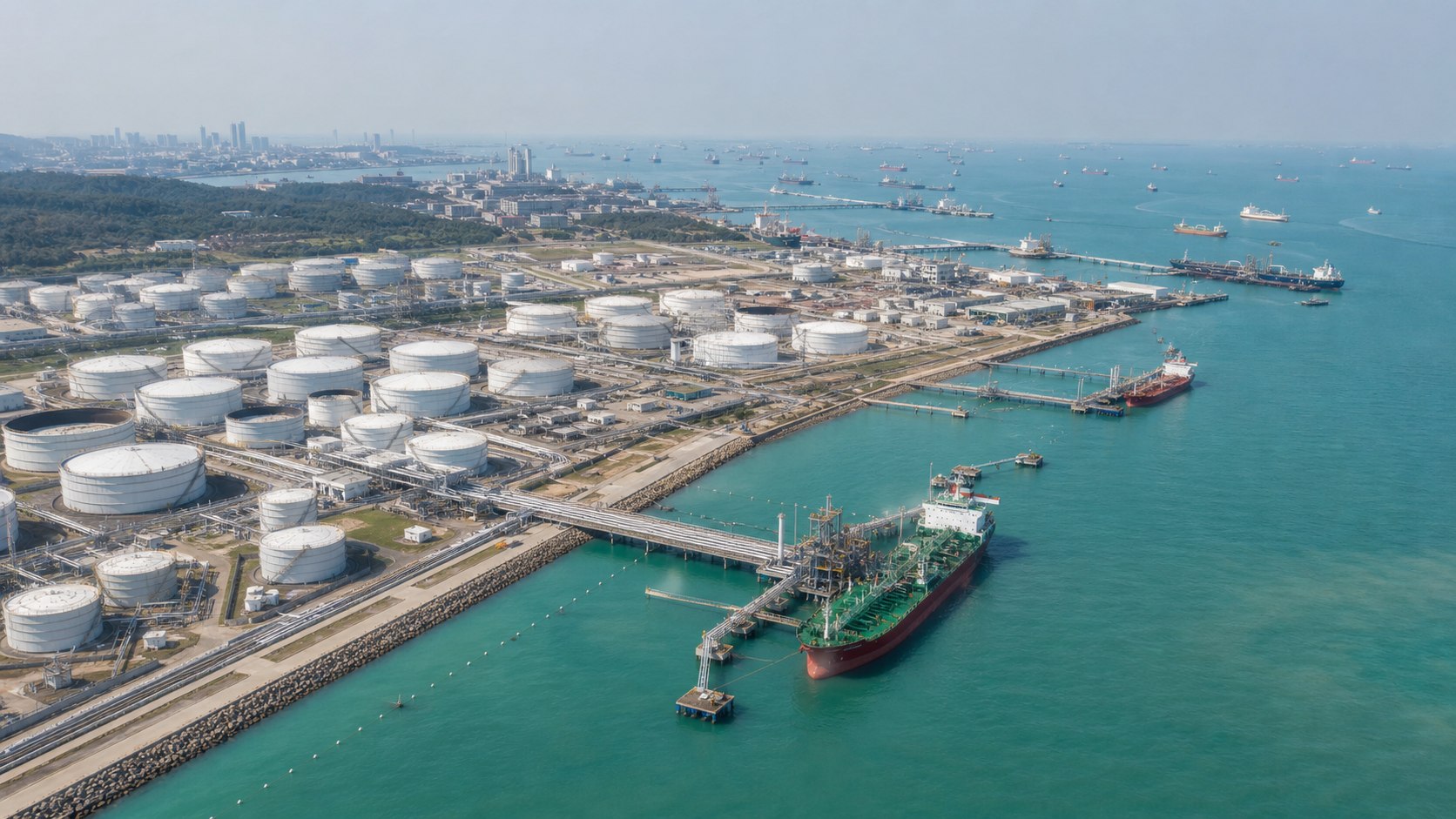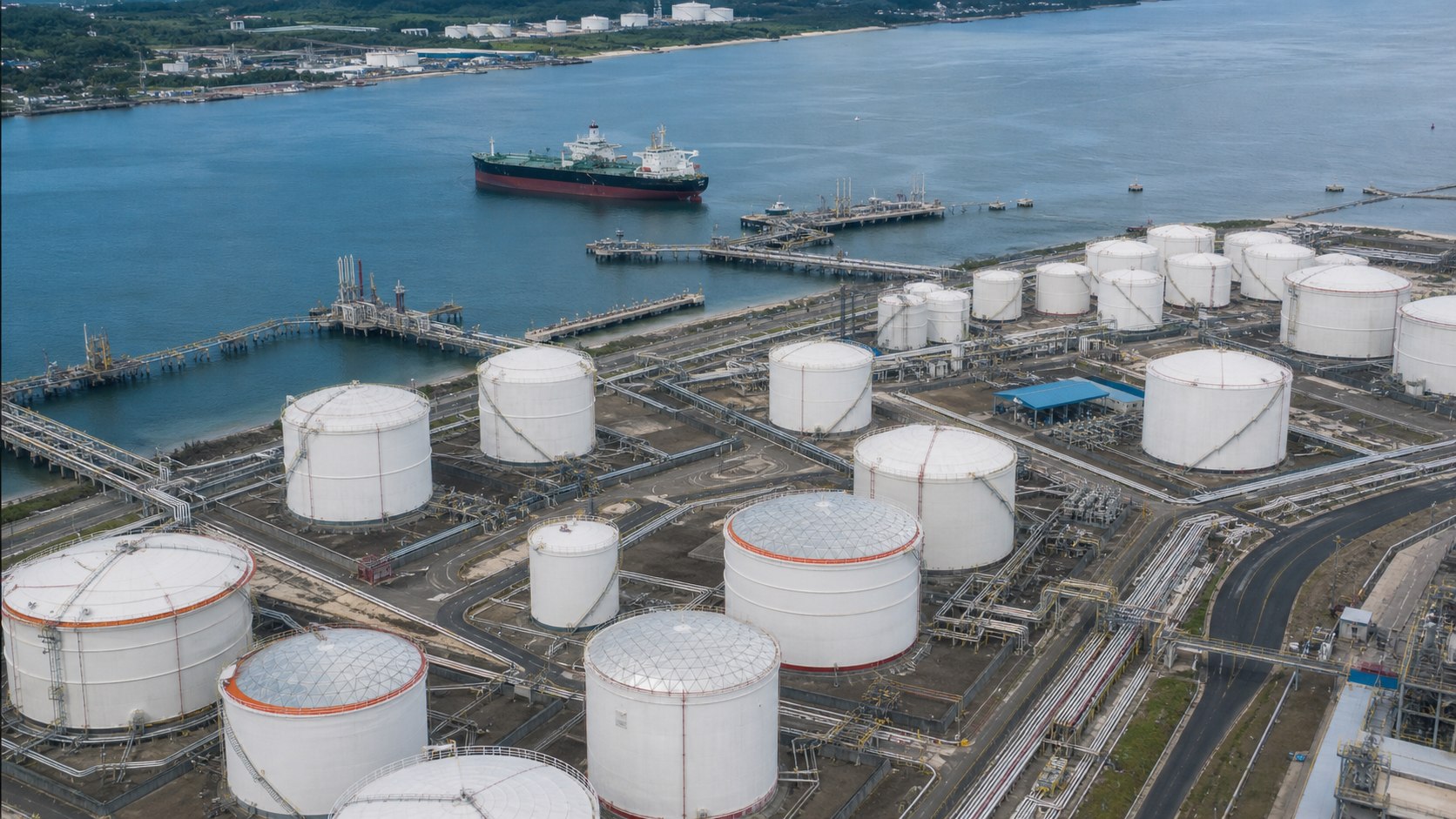
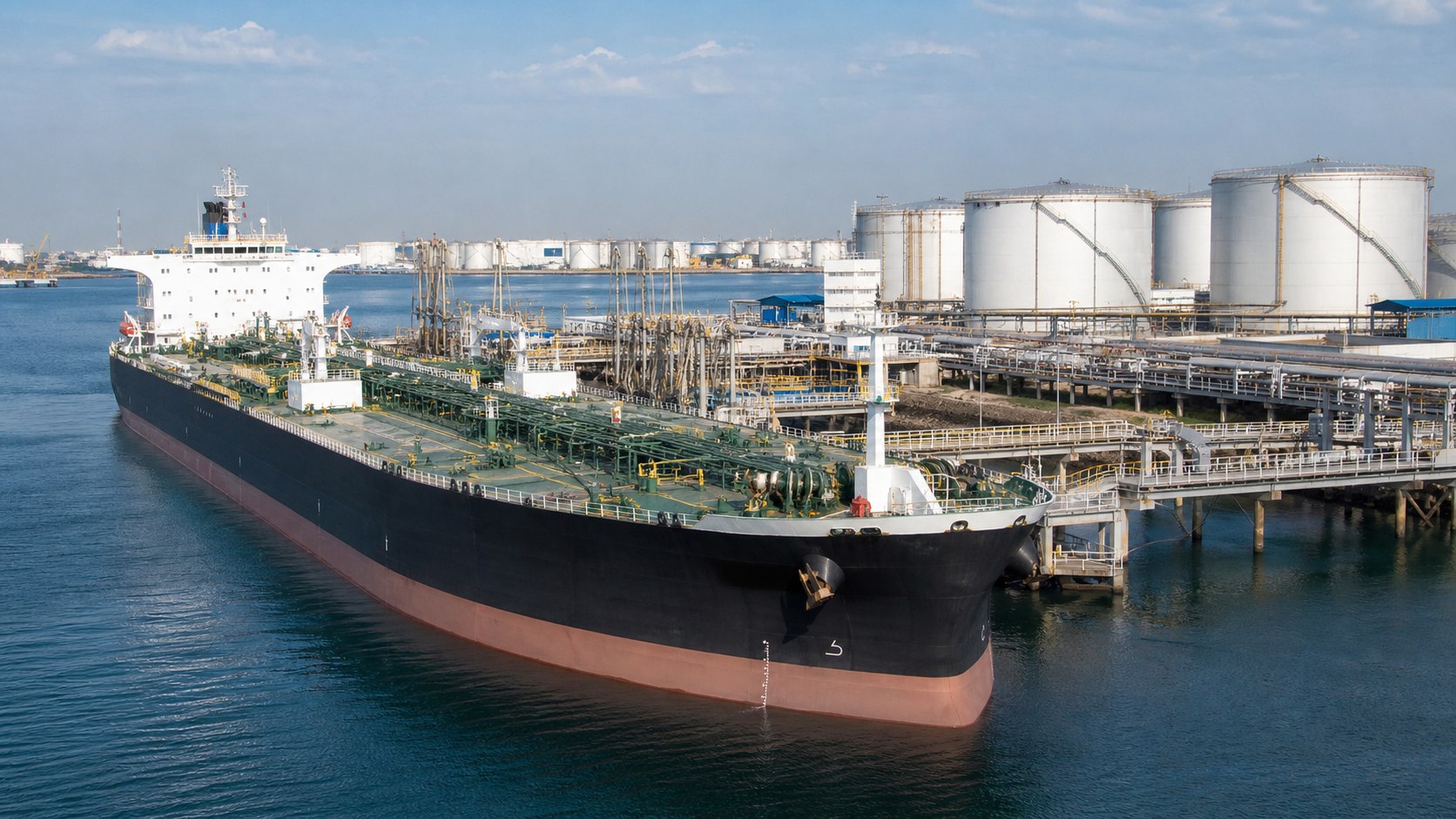
A petroleum tanker arriving alongside a terminal creates an obvious image of energy logistics.
The vessel is visible. Loading arms are visible. The jetty is visible.
Most of the preparation is not.
Long before product begins to move, terminal personnel and the vessel's crew have to establish whether the transfer can be carried out safely and whether both sides are prepared for the operation.
Two operating systems meet at the berth
A vessel and a terminal are independent operating environments.
Each has:
- equipment;
- procedures;
- responsibilities;
- communication systems;
- emergency arrangements;
- operating limits.
During cargo transfer, those systems have to work together.
That requires agreement on practical details including the intended product, transfer sequence, communications, expected rates and conditions that would require the operation to slow down or stop.
A misunderstanding at this point can become a much larger problem once product is moving.
The terminal must be ready before connection
Tank availability is only the beginning.
Operators also need to establish the intended route between the berth and the receiving or delivery tank.
That may involve:
- confirming tank capacity;
- verifying valves;
- preparing pumps;
- checking transfer lines;
- establishing measurement arrangements;
- confirming product segregation;
- ensuring relevant equipment is available.
A marine terminal operation should not depend on assumptions.
The physical path of the product needs to be understood before transfer begins.
The transfer rate is not simply about speed
Moving cargo quickly may reduce vessel time alongside, but transfer rates have to remain within the operating limits of the equipment and systems involved.
Pumps, pipelines, tanks and vessel systems all impose constraints.
A responsible operation therefore balances efficiency with control.
Faster is only better when the system can handle it safely.
Communication remains critical
During the transfer, the terminal and vessel need reliable communication.
Changes in pressure, unexpected tank levels, equipment alarms, weather conditions or other operational concerns must be communicated promptly.
A marine transfer can involve thousands of tonnes of product.
Small misunderstandings can have significant consequences.
Clear communication helps both parties respond while an issue is still manageable.
Completion requires discipline too
The operation does not end when the main cargo movement stops.
Lines may still contain product.
Loading arms or hoses must be managed correctly.
Measurements may need to be confirmed.
Samples and documentation may need to be completed.
The berth also has to be returned to a safe condition before the vessel departs.
The final part of a transfer deserves the same attention as the first.
Turnaround is created by preparation
Efficient marine operations are often described in terms of vessel turnaround.
But good turnaround is rarely achieved by rushing the actual cargo movement.
It is created through preparation.
The correct tank is available.
The transfer route is ready.
Documentation is clear.
People understand the plan.
Equipment is operational.
Potential conflicts have been identified early.
When those conditions exist, the physical transfer can proceed with fewer interruptions.
The vessel at the jetty may be the most visible part of the operation.
The quality of the operation is determined by everything that happened before it arrived and everything that continues until it safely leaves.