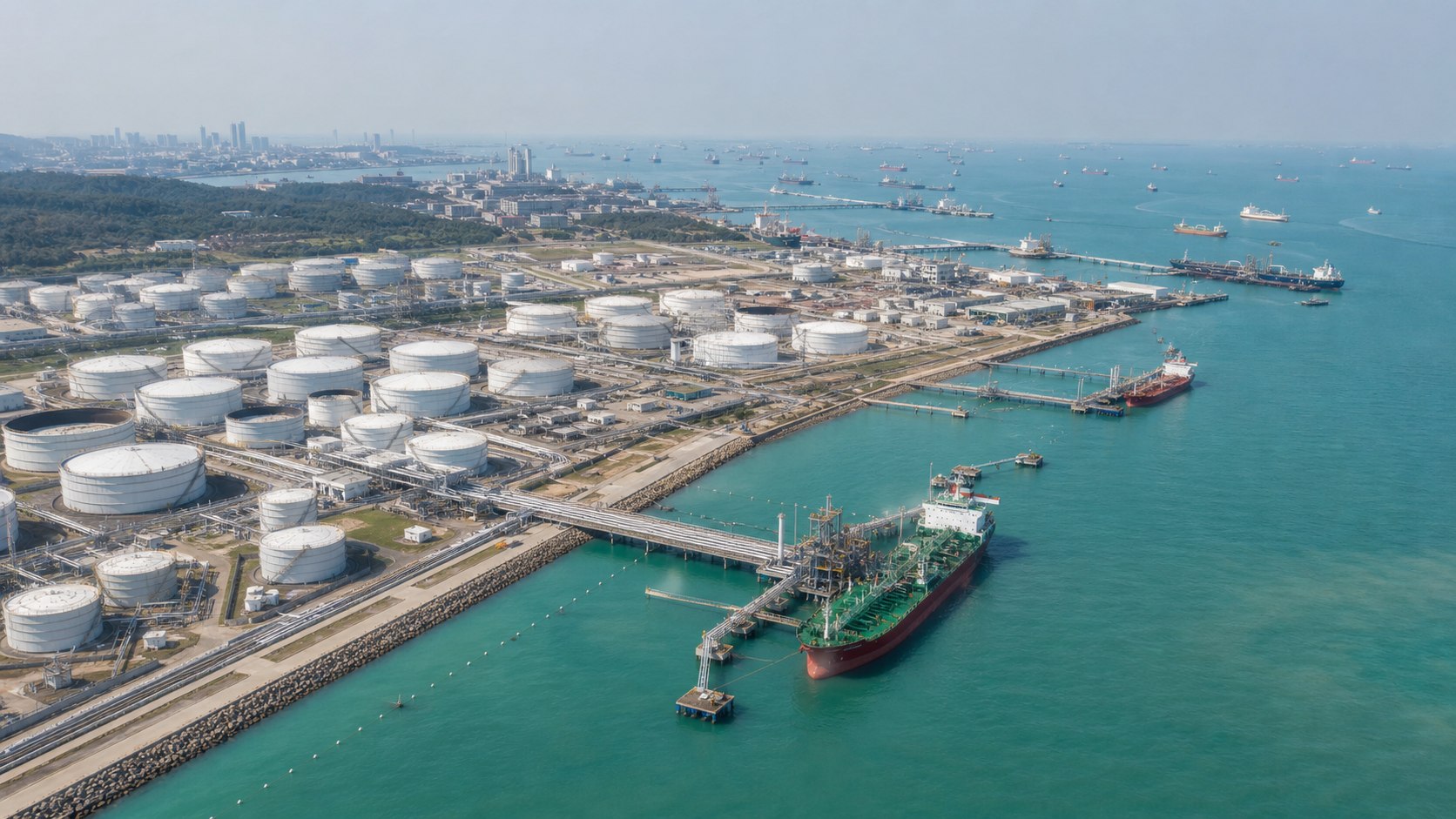
When storage terminals are compared, tank capacity is one of the first figures people look for.
It is an important figure.
But capacity without connectivity can have limited value.
Petroleum storage works as part of a larger movement system, which means geography is an operational characteristic.
A terminal's location influences where product can arrive from, where it can move next and how many logistics options are available when plans change.
Ports create access to international movement
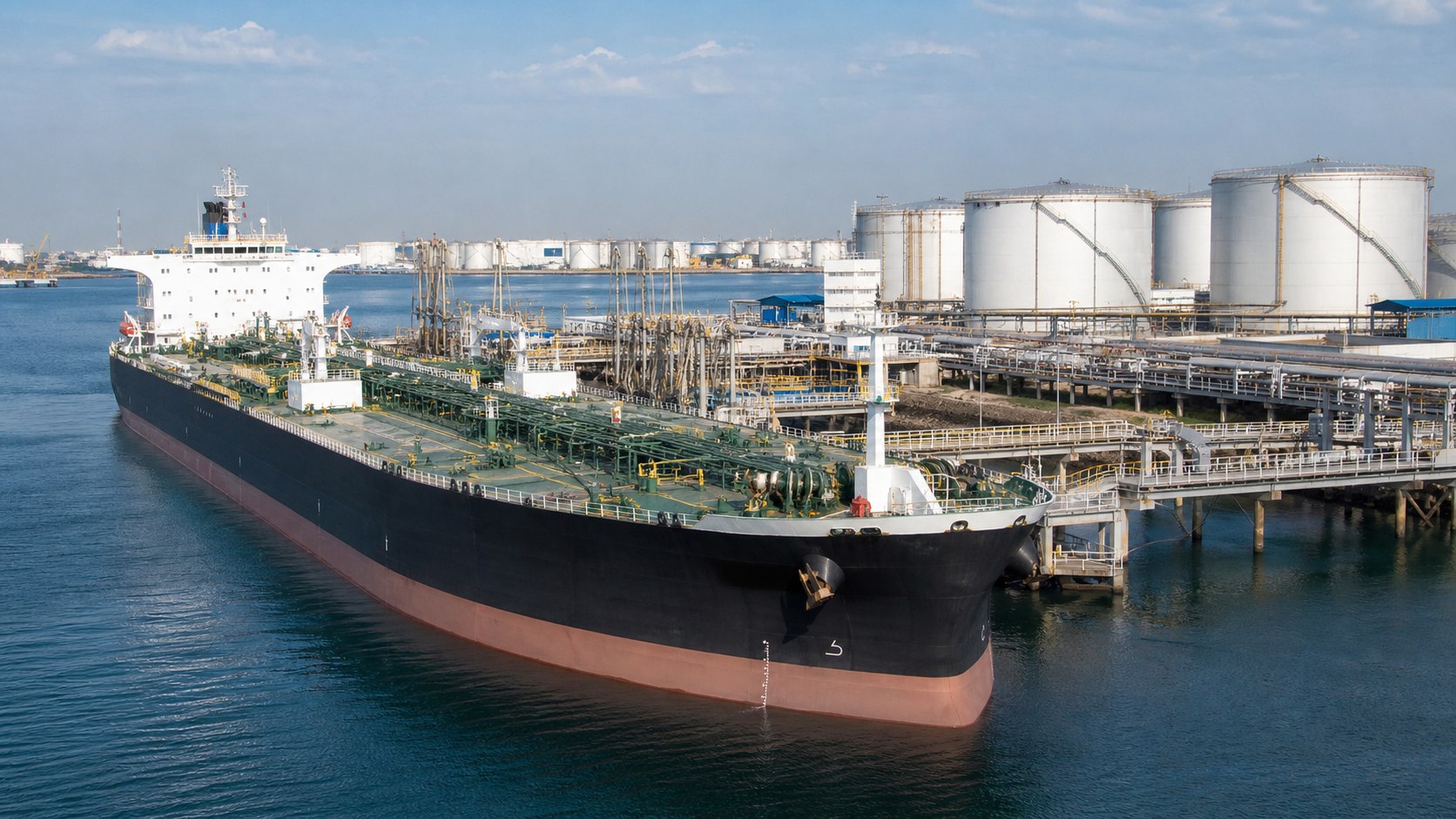
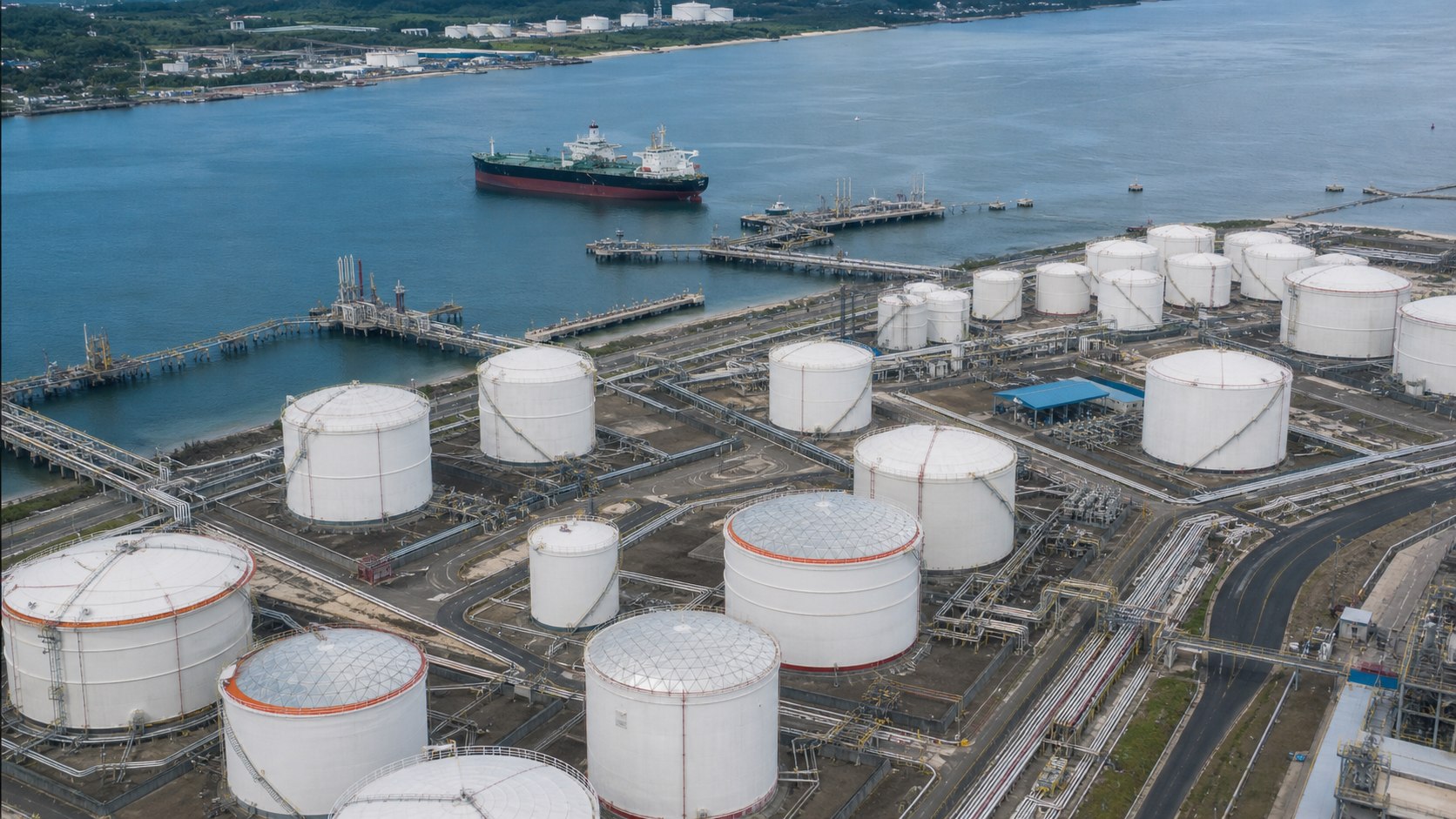
Marine terminals connect storage infrastructure with international shipping.
That connection allows product to move between:
- producing regions;
- refineries;
- trading centres;
- distribution markets;
- industrial consumers.
The quality of that connection depends on more than simply being located near water.
Marine access, port infrastructure, vessel compatibility and surrounding transport systems all affect how useful the location becomes.
Industrial clusters create network effects
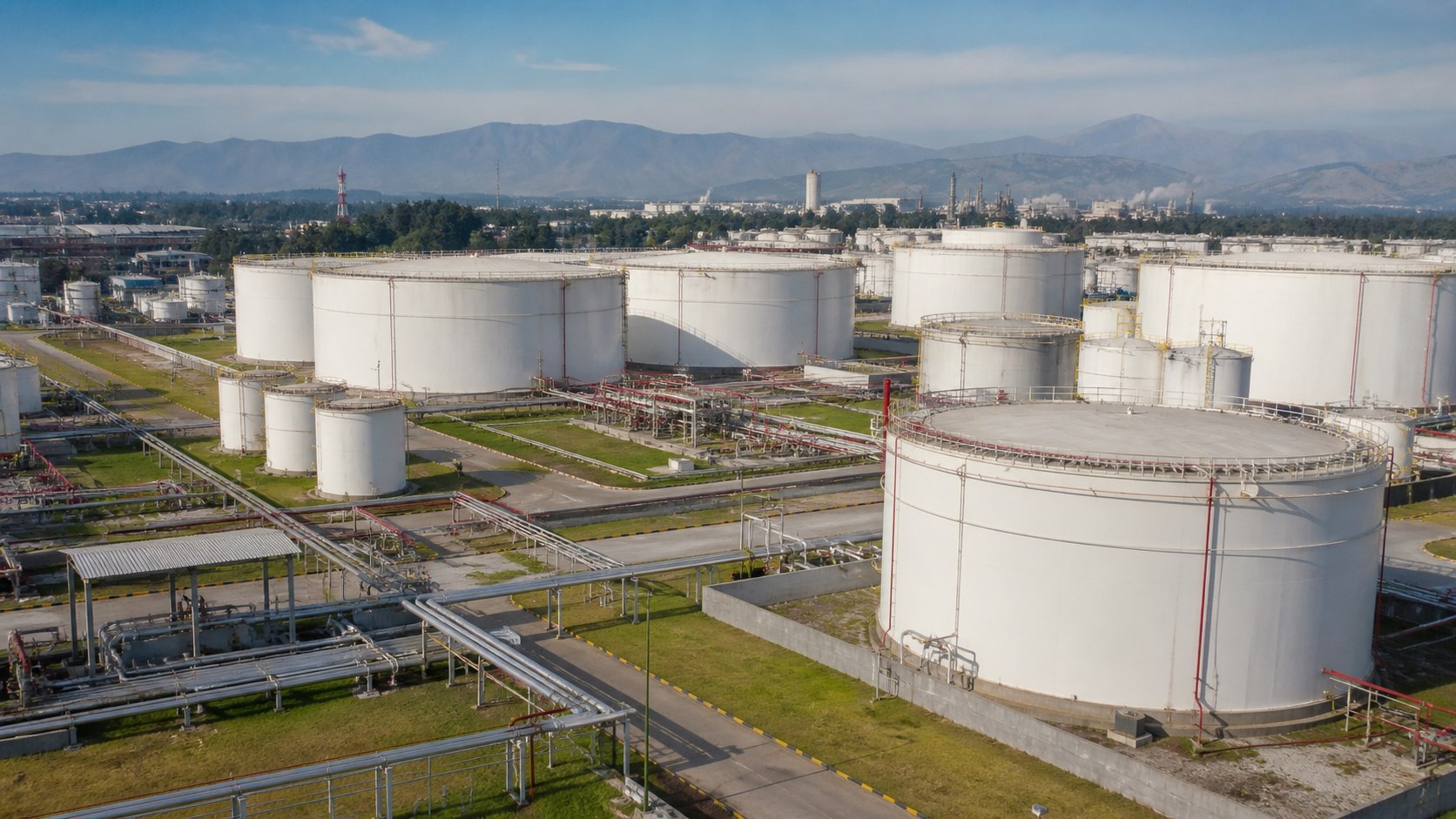
Many major storage terminals are positioned within large industrial and port areas.
That concentration is not accidental.
Refineries, chemical plants, pipelines, shipping services, maintenance contractors and transport companies can create a wider industrial ecosystem around a terminal.
A storage facility operating inside such a network may have more options for receiving and delivering product than an isolated facility with similar tank capacity.
Geography affects resilience
Supply chains rarely follow one fixed pattern indefinitely.
Markets change.
Shipping routes change.
Refinery maintenance affects product availability.
Weather affects ports.
Infrastructure can temporarily become unavailable.
A well-connected terminal provides alternatives.
Product might be received from one route and later delivered through another.
Inventory can be held while a downstream constraint is resolved.
Different markets can be served depending on commercial requirements.
That optionality is part of the terminal's value.
Storage creates a buffer between regions
Petroleum supply and demand rarely occur at exactly the same place or time.
A producing or refining region may generate product faster than the receiving market needs it.
A consumer market may require inventory before the next cargo arrives.
Storage terminals provide a physical buffer.
That role becomes particularly important at locations connecting major maritime and industrial markets.
Four locations can serve very different logistics environments
An international terminal network does not need every facility to perform the same role.
Houston sits within one of the world's most established energy and industrial regions.
Rotterdam is connected to a major European port and industrial system.
Dos Bocas sits on Mexico's Gulf Coast, where maritime energy infrastructure plays an important role.
Singapore and Jurong Island occupy a strategic position within Asian maritime and industrial trade.
Each environment creates different logistics relationships.
The important point is not that every location is identical.
It is that storage infrastructure gains value from the network surrounding it.
Capacity tells only part of the story
A tank answers one question:
How much product can be stored?
A terminal location introduces several more:
How can the product arrive?
What transport systems connect to the facility?
Which markets can the location serve?
How quickly can product move onward?
What alternatives exist when the original logistics plan changes?
For petroleum storage customers, those questions can be just as important as the nominal size of the tank farm.